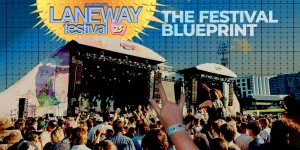
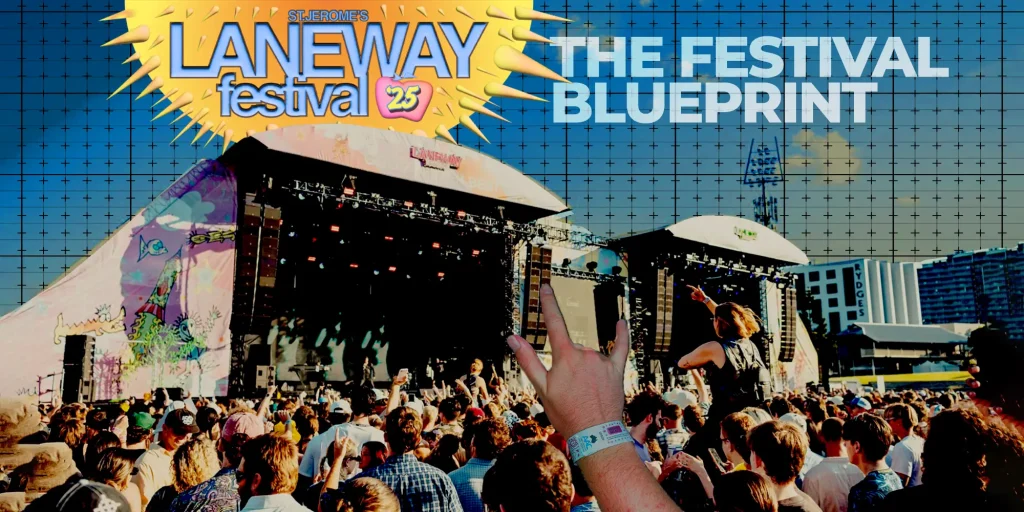
St. Jerome’s Laneway Festival marked its 20th anniversary in 2025 with a record-breaking run that defied broader industry headwinds. In an era when several major Australian music festivals have folded or gone on hiatus, Laneway’s latest edition drew massive crowds and delivered a carefully curated lineup tuned to contemporary tastes. As a music fan, festival goer and someone who works in the industry, I wanted to explore what its success signals about the broader Australian festival landscape. We also explore emerging trends in audience behavior, marketing, and ticket sales, distilling key takeaways for event organisers planning festivals in 2025 and 2026.
Record-Breaking Attendance and Economic Impact
Laneway 2025 achieved unprecedented attendance figures – it found massive success in an environment that’s been a bit of a bloodbath as of late. Across its six-city tour in Australia and New Zealand, the festival drew over 200,000 fans – the largest turnout in its history. Major cities like Sydney saw sold-out crowds on a new scale; the Sydney edition welcomed about 45,000 revellers to its new venue at Centennial Park. Similarly, Melbourne and other host cities reached capacity, with Sydney and Melbourne reportedly selling out on the first day of ticket sales, a record-breaking feat for the festival. In addition to the main festival dates, Laneway’s artists also attracted 40,000 more attendees at sideshows, underscoring the enormous total reach of the event.
Many of our staff at AAC attended the Brisbane festival and obviously, we’ve had a working relationship with the Laneway team, manufacturing all of their accreditation, pretty well since their inception.
But, let it be known, we don’t get free tickets. Not most of the time, anyway. I personally paid over $600 in tickets for myself and two friends – and that’s not counting any food, drink, transport or merch costs – of which there were plenty.
The Broad Economics of Laneway Festival 2025
Obviously, such attendance levels and high ticket & vendor costs translate into significant economic impact. With hundreds of thousands of ticket-buyers and travelers, the festival injected substantial tourism and hospitality spending into each host city. Local hotels, restaurants, and transportation services benefited from the influx of attendees, many of them interstate or international visitors following the touring festival. While exact economic figures were not released, the scale of Laneway 2025 suggests a multi-million dollar boost to local economies in aggregate. For example, nearly 20,000 attendees were expected at the Auckland Laneway alone, and officials noted that crowd of that size is on par with other major events, bringing comparable business to the city. In short, Laneway 2025 not only broke its own attendance records, it also delivered broad economic benefits at a time when the live music sector desperately needed a success story. And a success is an understatement. So that begs the question: What can the industry learn from them.
Why Was Laneway a Success While Others Have Struggled?
In a year where major festivals like Splendour in the Grass, Groovin’ The Moo, and Falls Festival faced cancellations, others faced postponements, or for many others, declining ticket sales, Laneway 2025 stood as an exception—not only surviving but thriving. With record-breaking attendance, a perfectly curated lineup, and an atmosphere that captured the energy of a new generation of festival-goers, Laneway proved that large-scale events can still succeed in Australia.
But why did Laneway flourish while others faltered? The festival industry is more unpredictable than ever—escalating costs, shifting audience behaviors, and the lingering aftershocks of the pandemic have made the business of large-scale music events more difficult to sustain. However, Laneway cracked the code, navigating the modern festival landscape with a strategy that others can learn from.
At its core, Laneway’s success came down to three key factors:
- A highly curated lineup that tapped into emerging TikTok-driven music trends while still honoring the festival’s indie roots.
- A scalable and financially viable format—one-day, urban festivals that spread financial risk across multiple cities.
- Deep cultural relevance—by speaking directly to a young, socially engaged audience through digital marketing, aesthetic branding, and partnerships that felt natural rather than forced.
By understanding what Laneway did right, festival organisers can take notes on how to structure lineups, market effectively, and build financially sustainable event models that meet the expectations of modern audiences. So, what can we learn from Laneway? Let’s break it down.
Lineup Strategy: Exclusive Headliners and TikTok-Era Curation
Lineups sell festivals. It’s no secret. Laneway’s 2025 lineup strategy was a masterclass in balancing mainstream drawcards with the festival’s indie roots.
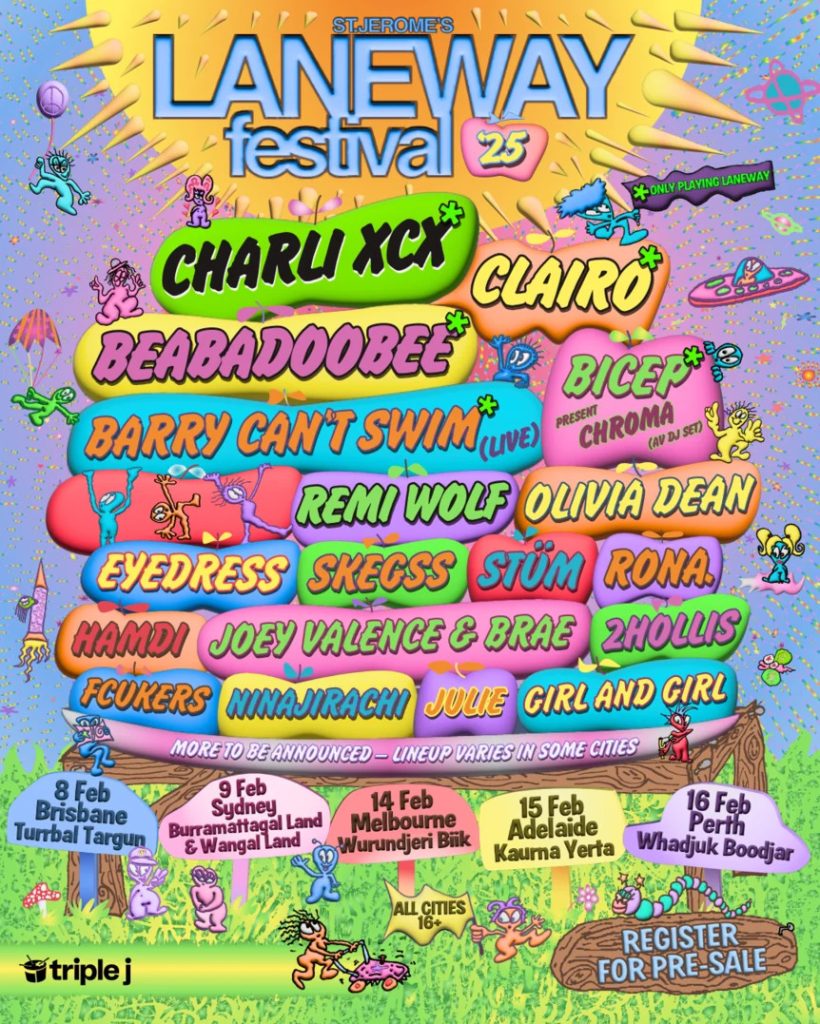
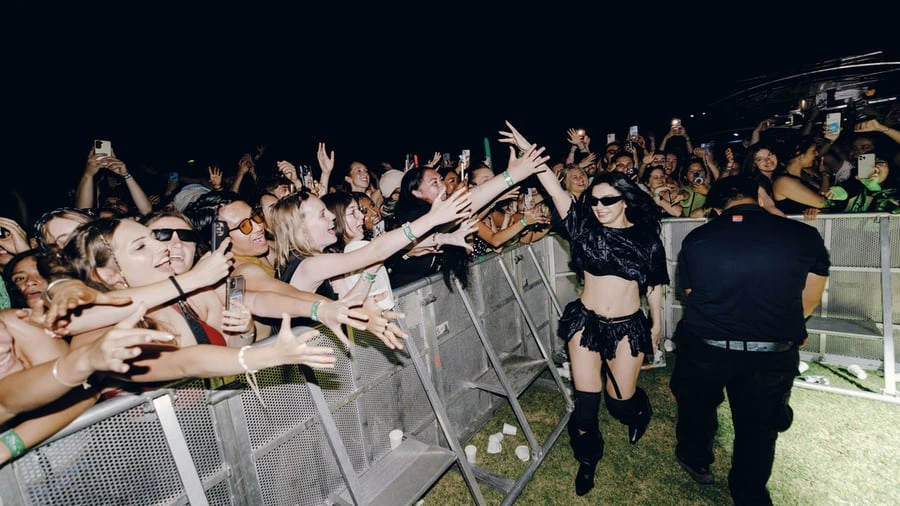
This year’s bill featured five exclusive acts – more than double the number of exclusives last year and the most ever for Laneway. These exclusives included pop futurist Charli XCX, bedroom-pop icon Clairo, indie rocker Beabadoobee, DJ/producer Barry Can’t Swim, and electronic duo BICEP. By securing artists for exclusive Australian appearances, Laneway created urgency for fans: Charli XCX’s exclusive headline slot was the major drawcard of the 20th anniversary lineup. Fresh off a triumphant Grammy-winning album release, Charli XCX headlined only at Laneway – a huge coup that positioned the festival as the place to experience the “Brat Summer” phenomenon surrounding her new Brat album and persona. This headliner-centric move paid off in spades, as her presence drove massive interest and ticket sales (the Brisbane opening date was noted as sold out, with crowds flocking to see Charli’s set).
Charli’s stranglehold over Gen Z over the past year was a major factor, but Laneway’s success can’t be credited to her alone—no matter how spectacular her set was. There’s far more to take away from their triumph than just “book the most culturally relevant artist of the decade.”
Let’s look at the whole picture. Beyond the headliner, Laneway 2025’s curation tapped into the “TikTok-ification” of music culture – leveraging artists who rose to fame via online virality. The lineup was studded with internet sensations and acts that owe much of their fanbase to social media buzz. For instance, alt-pop duo Joey Valence & Brae have dropped several breakout hits that spread on the internet, making them prime representatives of TikTok-era success. Rather than being pigeonholed as “internet music,” such acts proved their live chops on stage, delivering explosive performances that had crowds moshing and moving in waves. Similarly, funk-pop artist Remi Wolf and satirical rap act Fcukers (also popular online) added to the zeitgeist-savvy mix.

By booking artists who are trending on platforms like TikTok and streaming services, Laneway tapped into what younger audiences are listening to right now, translating online hype into festival ticket demand. Niche sounds have effectively become mainstream – what might have been considered left-of-field or emerging in prior years (e.g. hyperpop, bedroom pop, lo-fi indie) is now a major draw, and Laneway’s lineup reflected that shift.
Nothing drives engagement and excitement like the fear of missing out (FOMO). Limited-edition stickers create urgency, making customers eager to grab them before they’re gone. Whether you drop a seasonal collection, a collaboration with an artist, or a collector’s series, these exclusive designs can drive sales and customer loyalty.
For an extra layer of engagement, launch sticker challenges on social media. Offer exclusive stickers to customers who:
- Post a picture of your product in action.
- Share an unboxing video featuring your brand.
- Tag three friends who might love your business.
These tactics gamify your branding, making stickers not just a giveaway, but a social experience that builds customer loyalty and expands your reach.
Crucially, the festival did not abandon its indie festival identity; it carefully balanced new viral stars with “well curated, but safe” choices. Longtime Australian festival favorites – guitar-rock outfits like Skegss and electronic producer Ninajirachi – provided familiarity and reliability on the bill. These acts, regulars on the national circuit, ensured that core festival-goers still had plenty to love. In effect, Laneway 2025’s curation hedged its bets in a savvy way: a headline superstar to draw the masses, a cohort of buzzing international artists riding viral success, and a foundation of proven local crowd-pleasers to round out the day. This mix meant that fans could discover cutting-edge new artists and sing along to established anthems, all in one day – a recipe for wide appeal.
Notably, Laneway has a track record of scouting talent on the cusp of stardom, aswell as already huge artists on the cusp of super-hyper-mega stardom – like Charli XCX back in 2020. 2025 continued that tradition. This year’s lineup likely included a few future stars in early slots. However, one critique was the scarcity of local up-and-comers in 2025 – only two emerging local acts (Devaura and Maybe in May) made the bill, relegated to the early part of the day. This marks a slight shift from earlier years when Laneway championed more underground Australian artists. It seems the priority in curation tilted toward higher-profile exclusives and international names at the expense of homegrown newbies. While this ensured a stacked lineup to sell tickets, it’s a reminder that even boutique-origin festivals are now competing on headliner strength and viral relevance, occasionally squeezing out the smaller acts. And while most of Gen Z is staring at every increasing ticket prices, and ever increasing prices everywhere else, it’s no wonder they are demanding bay-for-buck from bigger acts, rather than taking a risk on seeing an act they’re mostly unfamiliar with.
Overall, Laneway’s approach to curation in 2025 illustrates how festivals are adapting programming to the streaming and TikTok era – where a viral song can catapult an artist onto a festival main stage, and everyone’s streaming is dominated and curated by their for-you page, the festivals they attend need to be the same. “Niche” genres are the mainstream, and exclusivity, along with a tailored lineup, brings FOMO and immense demand.
Laneway 2025’s crowd dynamics reflected broader changes in how audiences experience festivals. Demographically, the festival continues to skew young and majority female, which has implications for engagement. Data from recent editions shows that about 75% of Laneway attendees are women, and roughly 60% are aged 18–24. This youthful, Gen Z and Millennial-heavy crowd is deeply immersed in online culture, and it showed on-site. Fans were eager to capture content – in unsurprising news – Gen Z loves their phones, and recording a quick snippet for their story is a must. In the crowd, I could see real-time feedback loops of virality: when an artist played their big TikTok hit or trending track, the reaction was immediate and ecstatic, phones shooting up to capture the song. Anecdotally, actor-turned-musician Djo (Joe Keery of Stranger Things fame) had a relatively muted crowd response, despite what I thought was a pretty well performed set, until he played his mega viral single “End of Beggining” to round out the set, which finally drew huge cheers and crowd involvement.
This just shows how today’s festival audiences, raised on algorithm-driven hits, may engage most during the familiar viral songs, with shorter attention spans for deep cuts. “Musicians may not be successful if they aren’t also in the grips of virality,” as some reviewers have pointed out of the Laneway crowd. While fans still appreciate a great performance, having an internet-famous song or moment can make the difference between a lukewarm set and a frenzy. Beyond musical content, audience preferences at Laneway 2025 highlighted an appetite for comfort, experience, and shareability. The festival’s move to larger outdoor venues in some cities came with improved layouts – in Sydney’s Centennial Park, two main stages were set up in a spacious central field for headliners, with a smaller shaded stage for niche acts and DJs. Attendees responded positively to these additions, flocking to the shaded area for a more intimate vibe and taking advantage of the varied food truck offerings and even a pop-up by a music influencer (YouTuber Derrick Gee) who created a relaxed hangout space. Such features indicate that modern festival-goers seek more than just music; they crave a festival experience with diverse attractions and comfort zones to escape the crowds when needed. Providing Instagrammable art installations, influencer tie-ins, and culinary variety all contribute to audience satisfaction and engagement on-site.
However, one aspect of Laneway’s 2025 experience drew mixed reactions: the heavy presence of corporate branding. Sponsors were ubiquitous, with “each shade umbrella, bar, or amenity slathered in branding” from alcohol companies to banks and even private education providers. The whole place was plastered with logos. For those who critique it, I say , this reflects the reality that festivals increasingly rely on brand partnerships to enhance revenue and offset rising costs. In fact, Laneway 2025 had more sponsors than ever, including major names like Afterpay (as a buy-now-pay-later ticketing partner), Jameson, and a fashion retail partnership with General Pants Co. Many of these sponsors activated on-site, offering branded experiences or amenities. While some attendees might roll their eyes at the commercialisation, these partnerships likely contributed to the festival’s financial viability and even added perks (e.g. free product samples or themed lounges for attendees). The key for organisers is to integrate sponsors in a way that complements the festival vibe. Laneway largely succeeded here by aligning partnerships with youth culture – for instance, the Afterpay tie-in is useful for a young crowd budgeting for tickets, and a fashion partner makes sense when festival fashion is part of the fun (indeed, media noted a “hot new fashion trend” proliferating at Laneway as fans donned Charli XCX-inspired, brat green, outfits.
In summary, Laneway 2025’s audience engagement underlines that today’s festival attendees are highly social (both online and offline), trend-aware, and experience-driven. Festivals that foster shareable moments, cater to comfort and variety, and speak the cultural language of their audience (from meme-worthy themes to influencer involvement) are likely to deepen engagement. At the same time, organisers must walk a fine line with commercialisation – the Laneway example shows that while sponsorships are crucial, they should enhance the event for attendees, not overwhelm it.
A Shifting Australian Festival Landscape
Laneway’s 2025 success is especially noteworthy set against the backdrop of a shrinking Australian festival landscape. Over the past few years, several large-scale music festivals have struggled or shuttered, victims of pandemic disruptions, rising costs, and changing consumer habits. In the 12 months prior, major multi-day festivals like Splendour in the Grass, Groovin’ The Moo, and Falls Festival were cancelled or put on hiatus for consecutive years.
Organisers cited a confluence of challenges: the slow recovery of live music post-COVID, skyrocketing operational costs (fuel, production, insurance), and even climate-related issues (extreme weather causing event cancellations and higher insurance costs). The result has been a series of high-profile festival casualties, prompting some industry observers to declare that Australian music festivals are “in crisis.”
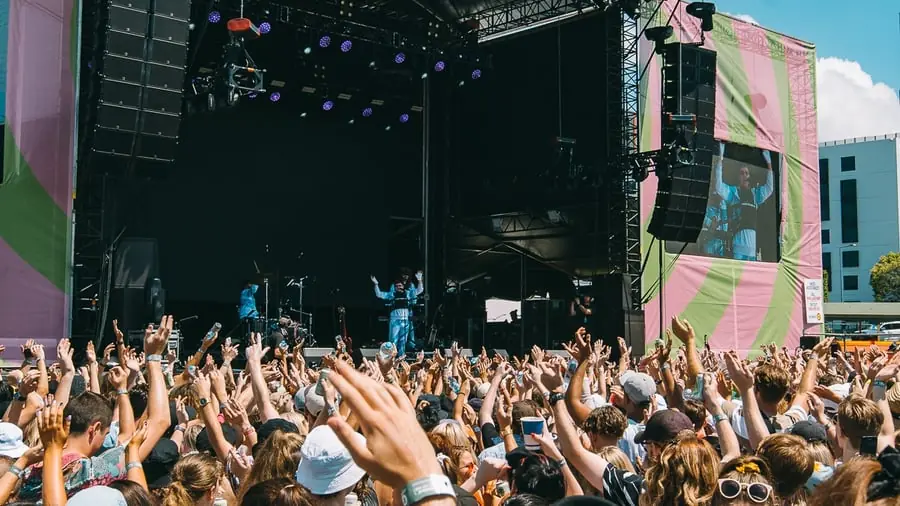
In this context, Laneway stands out as an outlier bucking the trend. Co-founder Danny Rogers noted that 2025 was a “record for the festival” and affirmed confidence that Laneway will continue its 20-year run of success. Indeed, Laneway has become “one of the last festivals of its kind” amid this contraction of the festival market. Its touring city-by-city model and single-day format may be a key to its resilience. Unlike a massive three-day camping festival that sinks huge costs into one location and can be wiped out by a single bad weather event or a downturn, Laneway spreads its risk and resources across multiple cities and dates. The one-day urban festival format also aligns with consumer preferences in an era of tighter budgets and time constraints – fans can attend a Laneway date near them without the commitment of travel and lodging that a distant multi-day festival requires. As one commentator put it, many of the single-day events are doing fine, whereas the multi-day mega-fests have become “expensive luxuries beyond the traditional audience”.
The average festival ticket price in Australia has soared by 270% since 2005, with Laneway’s own ticket cost up a staggering 527% in that period. In this climate, a shorter event may be more palatable; a Laneway ticket (while not cheap) is a one-day hit, as opposed to shelling out for a multi-day pass plus camping gear and travel. This could partially explain why Laneway 2025 saw instant sell-outs even as other festivals have struggled to sell tickets.
Laneway’s success could signal a broader shift: the rise of curated, metropolitan festivals catering to niche-yet-mainstream tastes, versus the decline of the old all-encompassing mega-festival. The festival landscape is evolving to favor events that are agile, targeted, and closely tuned to their audience. We also see festival operators pairing with corporate backers for stability – for example, Laneway sold a majority stake to TEG (a major live entertainment company) in 2021.
That infusion likely provided capital and ticketing infrastructure that helped Laneway scale up and weather challenges. Smaller independent festivals without such support have found it harder to survive. Going forward, the Australian market may gravitate toward more boutique touring festivals (much like Laneway) and experiential events, while the era of the monolithic 50,000-person camping festival may be waning. As one industry feature aptly stated, “the Aussie festival isn’t dead – it’s just evolved”. Laneway 2025 is proof of that evolution: a festival born in a Melbourne alleyway that has reinvented itself into a nationwide powerhouse by adapting to the times.
Emerging Trends in Marketing and Ticket Sales
Several broader trends in marketing and ticketing emerged from Laneway 2025 that are instructive for the industry. First, narrative-driven marketing and cultural tie-ins have become powerful tools. Laneway smartly capitalised on the concept of “Brat Summer” – a term coined by Charli XCX’s fan community and popularised on TikTok to describe the era of her Brat album and sassy pop aesthetic. By embracing this theme in its promotion (Rolling Stone Australia wrote that “Aussie Brat Summer isn’t just a fleeting TikTok trend – it’s a movement” that Laneway brought to life), the festival tapped into an existing fan fervor. This kind of marketing, which piggybacks on viral fan culture, makes the festival feel like part of a larger moment in pop culture rather than just a concert. Expect to see more festivals build campaigns around viral memes, themes, or album cycles that resonate with their target audience.
Secondly, brand partnerships in the digital age are going beyond logo placement. At Laneway, sponsors were integrated in ways designed to enhance the attendee experience or offer shareable content. For example, an exclusive fashion retail partner (General Pants Co.) ran an all-store campaign and likely offered festival-themed apparel, aligning with how attendees love to dress up for the occasion. Financial tech sponsor Afterpay’s involvement hinted at flexible payment options for tickets, a savvy response to pricing pressures. And Laneway’s perennial media partner, Triple J (Australia’s youth radio network), amplifies the festival through broadcasts and coverage, effectively turning marketing into content. The volume of partners was higher than ever in 2025, but importantly the festival team (with the help of Bolster Group for partnerships) focused on creative activations rather than just plastering logos. This trend suggests that festival marketing in 2025 is as much about curating the right mix of sponsors as it is curating the lineup – partners need to bring something to the table that engages the crowd or eases operational burdens.
On the ticket sales front, pent-up demand and FOMO (fear of missing out) are driving rapid sell-outs for well-crafted events. Laneway’s tickets flew off the shelf as soon as they went on sale; Sydney and Melbourne selling out on Day 1 of sales in October shows that fans did not hesitate. Contributing factors include the festival’s strong brand reputation (after a three-year pandemic hiatus, Laneway’s 2023 return also saw huge demand), and the scarcity created by exclusive artist appearances. Additionally, with other festivals canceled, there’s a concentration of demand – youth audiences essentially saved up their festival dollars for Laneway as one of the few sure bets, rather than spreading spending across multiple events. From a strategic standpoint, this implies that early ticket launches with clear value propositions (e.g. “don’t miss this one-time lineup”) can pay off, especially when paired with tiered pricing or payment plans to lower the barrier for eager fans. It’s worth noting that high demand also necessitates robust ticketing systems; Laneway Auckland experienced a check-in glitch that caused long entry lines, a reminder that operations must keep up when tens of thousands mobilise at once.
Finally, pricing strategy remains a double-edged sword. As mentioned, festival tickets are more expensive than ever, and Laneway is no exception. The sustained sell-outs indicate that if the perceived value is high – thanks to a star-studded lineup or unique experience – young consumers will splurge on a ticket even in a tight economy. However, festivals would be wise to also offer affordable options or added value. Laneway 2025’s general admission was the only option (being a one-day event), but perhaps offering things like early-bird pricing, group discounts, or integrating the ticket into a broader city tourism package could further entice attendance without solely racing to the top of the price range. We’re also seeing many events implement lay-by or installment payment options (Afterpay, etc.), essentially financing the ticket for attendees. This trend acknowledges that while demand is strong, cash flow is a concern for fans – letting them pay over time can convert would-be fence-sitters into buyers. In short, the marketing and ticketing lessons from Laneway center on creating hype through cultural relevance, leveraging partnerships for mutual benefit, and being attuned to fan purchasing behaviors to maximize sales.
Key Takeaways for Festival Organisers in 2025–26
The Laneway 2025 case offers several insights for event organisers and executives planning future festivals:
-
Curate with Cultural Relevance: Build your lineup with an ear to the ground on emerging trends. Blending viral sensations with proven crowd-pleasers can capture both the zeitgeist and a loyal base. Laneway’s mix of TikTok-famous artists and beloved indie acts broadened its appeal and kept the festival feeling fresh. Festivals that book the next big thing early (as Laneway often does) reap rewards when those artists explode in popularity
-
Leverage Exclusive Attractions: In a crowded entertainment market, give fans something they can’t get elsewhere. Whether it’s an exclusive performance (as Laneway did with Charli XCX’s only Australian shows) or unique collaborations on stage, exclusivity drives urgency. This headliner-centric approach, if executed with the right artist, can significantly boost ticket sales and media buzz.
-
Optimise Format and Experience: Consider the format that best suits today’s audiences. Laneway’s success as a one-day touring festival suggests many fans prefer a single-day immersive experience in their city over a multi-day slog. A shorter format can also reduce logistical risks and costs. Within the event, invest in audience experience – from site layout (shade, seating, good sound) to interactive elements. Modern festival-goers value comfort, convenience, and instagrammable moments alongside the music.
-
Engage the Digital Generation: Embrace the reality that festivals now live in both the physical and digital realms. Encourage social media engagement – e.g. create festival filters, official hashtags, or even TikTok challenges leading up to the event. Recognise that fans will record and share highlights; facilitate this by, say, live-streaming key sets or promptly sharing pro-shot clips of those viral moments (which can further amplify the festival’s reach). Also, tailor marketing messages to online communities and memes that resonate with your audience’s identity (Laneway tapping into the “Brat” pop culture wave is a prime example).
-
Strategic Partnerships Are Key: Cultivate sponsors and partners that align with your festival’s brand and audience interests. The right partnerships can provide financial stability and enhance the attendee experience – for instance, fashion, tech, or beverage brands that activate on-site can add fun extras for fans. However, ensure authentic integration: festival-goers are savvy and will respond better to sponsors who add real value (like charging stations by a tech sponsor or makeup touch-up booths by a cosmetics partner, etc.) rather than just plastering logos. Laneway’s ability to rope in multiple sponsors in 2025 shows that festivals can survive and thrive with corporate support, especially if ticket revenues alone won’t cover rising costs.
-
Master the Ticketing Game: High demand is great – if you’re prepared for it. Use robust ticketing platforms that can handle traffic spikes, and have communication plans for any hiccups. On the sales strategy side, tap into FOMO by advertising limited capacities and showcasing past sold-out success as Laneway did. At the same time, remain sensitive to pricing: explore tiered pricing, early bird specials, and payment installments to make tickets accessible to your core demographic. The goal is to maximise attendance without pricing out the very fans who create the atmosphere. Remember that each attendee’s economic impact extends beyond the gate to local businesses, so keeping tickets accessible can actually benefit the wider community too.
In conclusion, Laneway Festival 2025 exemplified how a festival can flourish by adapting to contemporary tastes and challenges. Its strong attendance and critical acclaim amid a tough market offer a hopeful blueprint for festivals: prioritise quality and relevance, know your audience, innovate in partnerships and promotion, and be willing to evolve the classic festival format. As the Australian festival scene recalibrates after a turbulent few years, Laneway’s success story provides a roadmap for sustainable growth and vibrant fan experiences in 2025, 2026, and beyond
Want to create a Festival That Stands Out?
Shop Event Accreditation & More Today
Events have been trusting us for 27 years to help them with accreditation, event management software, print marketing & signage.