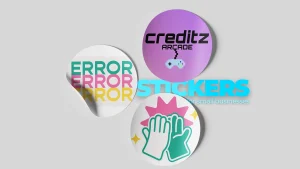

At AAC, we pride ourselves on using a sophisticated print process and cutting-edge technologies to ensure top-tier quality for all our products. Our state-of-the-art printing techniques guarantee vibrant colours, durable materials, and exceptional craftsmanship. This comprehensive guide will dive deep into our advanced print processes, the technologies we use, and how you can help streamline your print projects to deliver the best possible results.
Pre-Press Preparation: Laying the Groundwork for Our Print Process
Before any ink touches the material, meticulous pre-press preparation is crucial. This stage ensures the final product meets our high standards through several critical steps:
Artwork Review and Adjustment

Resolution Check: Ensuring that all images and graphics are at a high resolution (300 DPI) is fundamental to achieving high-quality prints. High resolution prevents pixelation and maintains the clarity and detail of your design. For instance, a promotional poster with intricate graphics and text needs high resolution to ensure all elements are crisp and clear. Lower resolution images can appear blurry and unprofessional, detracting from the overall impact of your printed materials.
Colour Accuracy: We verify that all colours are in the CMYK format. CMYK (Cyan, Magenta, Yellow, Black) for the majority of our products. CMYK is the standard colour model for printing because it provides accurate and consistent colour reproduction. RGB (Red, Green, Blue) colours, commonly used for digital screens, can produce unexpected results when printed, often leading to colours looking dull or different from what you see on your screen.
For example, a bright red on your monitor (RGB) might print as a muted red if not converted to CMYK. Accurate color conversion ensures your brand colors remain consistent across all printed materials, maintaining your brand’s integrity and recognition.
Bleed and Margins Adding bleed ensures there are no unprinted edges in the final product. Bleed is the extra space around the edges of your design that gets trimmed off after printing, usually about 3mm. Margins ensure that no important content is cut off during the trimming process. For example, if you’re printing a flyer, including a 3mm bleed and keeping essential text within safe margins ensures that the final cut product looks professional and complete, with no critical elements lost.
File Format We accept files in formats such as PDF, AI (Adobe Illustrator), or EPS (Encapsulated PostScript). These formats preserve quality and are compatible with our printing software. PDFs are excellent for maintaining the layout and integrity of the document, while AI and EPS are ideal for vector graphics, which can be resized without losing quality. Proper file formats ensure smooth and efficient processing of your print jobs, reducing the risk of errors and ensuring the highest quality output.
Proofing
Digital Proofs Digital proofs are provided for clients to review and approve before the final printing. This step ensures that the design meets the client’s expectations and allows for any last-minute changes. For instance, a client can see a digital proof of their event tickets and verify that all information is correct and visually appealing before proceeding with the full print run. This step is crucial for catching any potential issues early in the process, saving time and resources.
Hard Proofs For larger projects, we might provide physical proofs, which give clients a tangible preview of the final product. This is especially useful for projects where color accuracy and material quality are crucial, such as high-end brochures or product packaging. Clients can feel the material and see the exact colors that will be used, ensuring there are no surprises in the final product. Hard proofs provide a more accurate representation of the final product, giving clients confidence in the quality and appearance of their printed materials.
Color Management

Calibration
Using advanced color management software, we calibrate our printers to match the exact colors specified by the client. Calibration ensures that the colors you see on your screen are as close as possible to what will be printed. This process is crucial for maintaining brand consistency, especially for businesses that rely on specific color codes for their logos and branding materials. Regular calibration of our printers ensures that your printed materials maintain their intended color accuracy over multiple print runs.
Consistency Ensuring consistent color reproduction across all prints is vital for maintaining brand integrity and visual appeal. Whether you’re printing business cards, brochures, or large banners, the colors should look the same across all materials. This consistency builds trust and recognition for your brand. Consistent color management practices ensure that your brand colors remain true and vibrant, enhancing the overall impact of your marketing materials.
Explore our Advanced Printing Technologies:
Digital Print Process
Digital printing is ideal for short runs and custom projects. It offers several advantages:
High Resolution Our digital printers produce images with high resolution and sharp detail. This is perfect for promotional materials like brochures, flyers, and posters. For example, a brochure featuring high-resolution images of your products will showcase them in the best light, highlighting their details and quality. High-resolution printing ensures that even the smallest details are clear and sharp, enhancing the overall visual appeal of your materials.
Quick Turnaround Digital printing allows for faster production times, making it ideal for urgent orders or last-minute changes. For instance, if you need promotional materials for an upcoming event, digital printing can quickly deliver high-quality prints to meet tight deadlines. The quick turnaround time of digital printing helps you respond swiftly to market demands and last-minute opportunities, ensuring you always have the materials you need when you need them.
Customisation Each print can be easily customised, making digital printing perfect for personalised products such as custom wristbands and tickets. For example, you can create personalised wristbands for an event with each attendee’s name, making the event feel more exclusive and personalised. The flexibility of digital printing allows for easy adjustments and customisations, enabling you to create unique and targeted marketing materials.
Offset Printing
For larger print runs, offset printing is preferred due to its efficiency and consistency. Key benefits include:
Cost-Effective for Large Volumes: Offset printing becomes more economical as the print run increases, making it ideal for mass production of items like tickets and posters. For instance, if you need thousands of posters for a nationwide campaign, offset printing can produce high-quality prints at a lower cost per unit. The cost-effectiveness of offset printing makes it an excellent choice for large-scale marketing campaigns and promotional events.

Superior Quality: It delivers consistent high-quality prints with precise colour matching and fine detail. Offset printing is ideal for materials that require a polished, professional look, such as corporate brochures and annual reports. The superior quality of offset printing ensures that your printed materials look professional and visually appealing, enhancing your brand’s image.
Versatility: Offset printing can handle various materials, from paper to vinyl, ensuring durability and vibrant colors. This versatility makes it suitable for a wide range of products, from booklets and magazines to banners and signs. The adaptability of offset printing allows you to create diverse and high-quality marketing materials that meet your specific needs.
Screen Print Process
Screen printing is essential for products that require durability and vibrant colours, such as wristbands and promotional merchandise.
Highlights include:
Durability The ink used in screen printing is thicker, making it ideal for items that need to withstand heavy use, like wristbands and coasters. For example, screen-printed wristbands for a festival will remain vibrant and intact even after days of wear. The durability of screen printing ensures that your promotional items withstand the test of time, maintaining their visual appeal and functionality.
Vivid Colours Screen printing can produce vibrant, long-lasting colours that are resistant to fading. This is perfect for promotional merchandise that needs to stand out and make a lasting impression, like T-shirts or tote bags. The bright and vivid colors achieved through screen printing help your promotional items catch the eye and leave a lasting impression on your audience.
Adaptability It is suitable for printing on a wide range of materials, including fabric, plastic, and metal. This flexibility allows for creative and unique promotional items that align with your brand’s image. The adaptability of screen printing enables you to create diverse and innovative promotional products that effectively convey your brand message.
Flexography
Flexography is commonly used for printing on flexible materials such as plastic and metallic films. Key features include:
Speed Flexography is known for its high-speed production, making it ideal for large-volume runs. For instance, if you need a large quantity of labels for product packaging, flexography can produce them quickly and efficiently. The high-speed capabilities of flexography help you meet tight deadlines and quickly replenish your inventory, ensuring your products are always ready for market.
Versatility It can print on a variety of substrates, including non-porous materials. This makes it suitable for packaging, labels, and other products that require printing on unique surfaces like plastic bags and foil wrappers. The versatility of flexography allows you to create high-quality packaging and labels that enhance the appeal of your products and brand.
Cost-Effective Flexography is an economical choice for packaging and labels, offering both quality and efficiency. This makes it ideal for businesses looking to produce high-quality packaging at a lower cost. The cost-effectiveness of flexography helps you maximise your budget and achieve excellent results without compromising on quality.
Large Format Printing
Large format printing uses digital printing technology to produce large-scale prints, such as banners, posters, and signage. This method is perfect for marketing materials that need to capture attention and convey messages clearly.
Size: Large format printing can produce prints without compromising quality, ensuring that your banners and posters look sharp and professional, no matter their size. The ability to create large, high-quality prints helps you make a bold statement and effectively promote your brand at events, trade shows, and other public spaces.


Impact Ideal for high-impact marketing materials, large format prints are perfect for trade shows, conferences, and storefront displays, ensuring your brand stands out. The eye-catching nature of large format prints helps you attract attention and effectively communicate your message to a wide audience.
Customisation Easy to customise for different events and promotions, large format printing allows for creative and visually striking marketing materials that align with your branding. The flexibility of large format printing enables you to create unique and tailored promotional materials that resonate with your target audience.
The Importance of Print Finishes & Touches
Lamination
How It Works A thin plastic film is applied to the surface of the print, which can be glossy or matte.
Benefits
Durability: Protects against wear and tear, making the product more resistant to damage. Laminated prints are more durable and long-lasting, providing a professional and polished appearance.
Professional Look: Adds a polished finish, enhancing the overall appearance of the product. Lamination provides a sleek and professional look, making your prints stand out.
Varnishing
How It Works Varnishing adds a layer of protection and shine to printed materials. It can be applied selectively (spot varnish) to highlight specific areas or cover the entire surface (full varnish).
Benefits
Highlighting: Spot varnish can be used to draw attention to specific parts of the design, adding visual interest. Varnishing helps enhance the visual appeal of your prints, making them more engaging and eye-catching.
Protection: Adds a layer of protection, making the print more durable. Varnishing helps protect your prints from damage and wear, ensuring they remain vibrant and intact.
Foil Stamping
How It Works Foil stamping uses heat and pressure to apply metallic or pigmented foil to the print surface. This technique adds a luxurious touch to business cards, invitations, and other premium products.
Benefits
Luxury: Adds a high-end look, making the product feel more premium. Foil stamping enhances the overall appearance of your prints, providing a luxurious and sophisticated finish.
Attention-Grabbing: Makes elements stand out, drawing attention to specific parts of the design. Foil stamping helps your prints stand out, creating a memorable and impactful impression.
Embossing and Debossing
How It Works Embossing creates a raised design on the print surface, while debossing creates an indented design. These techniques add texture and depth, enhancing the tactile experience of the printed product.
Benefits
Texture: Adds a tactile element, making the product more engaging to touch and hold. Embossing and debossing provide a unique and tactile experience, enhancing the overall appeal of your prints.
Depth: Enhances the visual and physical appeal, adding an extra dimension to the design. Embossing and debossing help create a visually and physically appealing product, making your prints stand out.
Die Cutting
How It Works Die cutting involves cutting the print material into a specific shape using a custom-made die. It is perfect for creating unique shapes and designs for business cards, brochures, and packaging.
Benefits
Uniqueness: Creates unique shapes and designs, making the product stand out. Die cutting allows for creative and innovative designs, helping your prints stand out from the competition.
Attention-Grabbing: Custom shapes can catch the eye and make the product more memorable. Die cutting helps create visually striking and memorable products, enhancing their overall appeal.
Metallic Inks
How It Works: Metallic inks contain metallic particles that give a shiny, reflective finish. They are used to add a luxurious and eye-catching element to printed materials.
Benefits: Perfect for creating premium business cards, invitations, and packaging that need to stand out with a metallic sheen.
Fluorescent Inks
How It Works: Fluorescent inks are vibrant and glow under UV light, making them ideal for attention-grabbing prints.
Benefits: Ideal for promotional materials, event posters, and safety signs that require high visibility and a unique visual impact.
HP Indigo: The Pinnacle of Printing Technology
At AAC, we leverage the cutting-edge HP Indigo digital printing technology to deliver exceptional print quality and versatility. The HP Indigo is our premier printing solution, offering unparalleled precision, color accuracy, and efficiency. Here’s a detailed look at the features and benefits of this remarkable printer.
Overview of HP Indigo Digital Printing Technology
The HP Indigo digital press utilises advanced electrophotography technology to produce high-resolution images with exceptional clarity. This technology employs an electric charge to create an image on a photoconductive surface, which acts as a reusable plate. The process allows for different images to be printed with each revolution, offering unmatched flexibility and precision.
Key Features of the HP Indigo
Fully Digital Print Engine: The HP Indigo is equipped with a fully digital print engine, capable of handling 4, 5, 6, or 7 colours at once. This allows for intricate colour processes and spot colours, making it suitable for a wide range of applications, from simple labels to complex packaging designs.
Substrate Versatility The HP Indigo can print on various substrates, including filmic, self-adhesive, plain paper, cardboard, and metallised materials. This versatility ensures that no matter the project, we can deliver high-quality prints on the most suitable material.
In-Line and Off-Line Converting The printer supports both in-line and off-line converting, providing flexibility in production processes. This means that finishing processes such as cutting, folding, and laminating can be integrated directly into the printing workflow or handled separately, depending on the project requirements.
Advanced Print Capabilities
Liquid ElectroInk Technology The HP Indigo uses unique Liquid ElectroInk, which contains tiny pigment particles encapsulated by resin and dispersed in a carrier liquid. This advanced ink technology ensures high-resolution images with vibrant colors and fine details. The ElectroInk solidifies upon contact with the substrate, maintaining the image’s integrity without spreading or distortion.
High Productivity The HP Indigo offers impressive printing speeds, capable of producing up to 30 meters per minute in four colours and up to 60 meters per minute in two colours. This high productivity ensures we can handle large volume orders efficiently without compromising on quality.
Re-Insertion Capability The printer’s re-insertion capability allows for precise alignment and printing on pre-printed materials. This feature is particularly useful for applications that require additional layers of printing or specific placements, such as security features on tickets or intricate designs on packaging.
Specialised Applications
Labels and Packaging: The HP Indigo excels in printing high-quality labels and packaging materials. Whether it’s for flexible packaging, sleeves, wrap-around labels, or folding cartons, the HP Indigo ensures consistent color reproduction and durable prints that stand out on the shelves.
Wide Format and High Volume: With models like the HP Indigo 20000, which offers a 75 cm wide web-based format, and the HP Indigo 30000, a B2 size sheet-fed printer, we can handle large format and high volume printing projects. These printers are ideal for large-scale marketing materials, banners, and extensive packaging runs.
Specialty Inks and Effects: The HP Indigo supports a wide range of specialty inks, including metallic, fluorescent, white, and invisible inks. This allows for creative and eye-catching designs that can incorporate unique visual effects. The ability to use up to 7 colours, including spot colours, enables precise brand colour matching and vibrant prints.
Colour Management and Quality in Our Print Process
Widest Colour Gamut The HP Indigo boasts the widest colour and ink gamut, matching and often exceeding analogue printing standards. It supports four process colors (CMYK) and can extend to hexachrome and heptachrome for additional color accuracy and vibrancy.
Regulatory Compliance The printer complies with various technical and regulatory standards, ensuring that printed materials meet industry-specific requirements, whether for food packaging, pharmaceuticals, or other regulated sectors.
PrintOS Integration HP Indigo’s PrintOS cloud-based operating system allows for seamless management of print production. It provides real-time data, analytics, and operational insights, helping us optimise workflow and maintain high standards of quality and efficiency.
The HP Indigo digital press represents the pinnacle of modern printing technology, combining flexibility, speed, and superior print quality. At AAC, we harness the capabilities of the HP Indigo to deliver exceptional results for a wide range of printing needs. Whether it’s high-volume packaging, intricate labels, or vibrant marketing materials, the HP Indigo ensures that every project meets the highest standards of excellence. With this advanced technology, we are well-equipped to handle the most demanding print jobs, providing our clients with unparalleled service and quality.
Specialised Print Products: Tailored to Your Needs
AAC offers a variety of specialised print products, each crafted with precision to meet the unique needs of our clients:
Wristbands Our wristbands, including vinyl, silicone, and EcoBands, are produced with meticulous attention to detail. Utilising both screen printing and digital printing methods, we ensure that each wristband is durable, comfortable, and visually striking.
Vinyl Wristbands Vinyl wristbands are durable and perfect for extended wear. They are often used for multi-day events like music festivals and conventions. The strong material ensures that the wristbands remain intact and readable throughout the event.
Silicone Wristbands Silicone wristbands are popular for fundraising, awareness campaigns, and promotional events. They are comfortable, waterproof, and can be customised with various colours and messages.
EcoBands EcoBands are particularly noteworthy as they are made from 100% recyclable, biodegradable, and compostable materials, certified for their environmental safety. These wristbands are perfect for environmentally conscious events and organisations, aligning with sustainability goals. Using EcoBands for your events not only promotes environmental responsibility but also enhances your brand’s image as an eco-friendly and socially responsible organisation.
Brochures and Flyers: Our brochures and flyers are printed using digital and offset printing technologies, ensuring sharp images and vibrant colours. Perfect for marketing campaigns, these print products are designed to capture attention and convey information effectively.
Marketing Brochures: Marketing brochures can be designed to highlight your products or services with stunning visuals and clear, concise text. They are perfect for trade shows, conferences, and direct mail campaigns.
Informational Flyers: Informational flyers can be used to distribute important information about events, promotions, or new products. They can be printed in various sizes and formats to suit your needs.
Business Cards: Make a lasting impression with our high-quality business cards. Using digital printing, we ensure that each card features crisp text and vibrant colours, helping you stand out in any professional setting. Custom finishes like embossing or foil stamping can add a touch of elegance and sophistication, making your business card a powerful networking tool.
Standard Business Cards: Our standard business cards are printed on high-quality card stock and can include features such as gloss or matte finishes, rounded corners, and custom shapes.
Premium Business Cards: For a more luxurious feel, our premium business cards can include features such as foil stamping, embossing, and high-quality materials like textured paper or metal.
Posters and Signage: For promotional events and advertising, our posters and signage are printed using offset and digital methods. This ensures high-quality visuals that capture attention and convey your message clearly. Large format printing is particularly effective for creating impactful and eye-catching posters for events, promotions, or storefront displays.
Event Posters: Event posters can be designed to grab attention with bold colours and striking graphics. They are perfect for promoting concerts, festivals, and other public events.
Storefront Signage: Storefront signage can be customised to reflect your brand and attract customers. High-quality printing ensures that your signage looks professional and stands out.
Coasters and Vinyl Stickers: Our custom coasters and vinyl stickers are printed using screen printing techniques, providing durability and vibrant colours. Perfect for branding and promotional giveaways, these items are designed to leave a lasting impression.
Custom Coasters: Custom coasters can be printed with your company logo and used as promotional items at events or corporate gifts. They are durable and practical, ensuring that your brand remains visible.
Vinyl Stickers: Vinyl stickers are perfect for branding and promotional purposes. They can be printed in various shapes and sizes and are durable enough to withstand outdoor use.
Menus: Our menus are crafted with the same attention to detail as our other print products. Whether you need disposable paper menus or durable laminated ones, we use high-quality printing to ensure your menus are both functional and visually appealing.
Laminated Menus: Laminated menus are durable and easy to clean, making them ideal for high-traffic dining establishments. They can be customised with vibrant images and detailed descriptions of your offerings.
UNDERSTANDING OUR PRINT TECHNOLOGIES: A DEEP DIVE
AAC uses various advanced printing technologies tailored to different materials and product requirements:
| Technology | Description | Applications | Advantages |
|---|---|---|---|
| Digital Printing | Digital printing uses electronic files to create prints directly from the printer. It’s like using a desktop printer but on a much larger scale and with much higher quality. | Personalised items like custom wristbands, tickets, and small quantities of brochures and flyers. |
|
| Offset Printing | Offset printing transfers ink from a plate to a rubber blanket, then onto the printing surface. This traditional method is known for its high quality and efficiency. | Large print runs of brochures, posters, tickets, and other materials requiring consistent quality. |
|
| Screen Printing | Screen printing involves creating a stencil (or screen) and using it to apply layers of ink onto the printing surface. Each color requires a separate screen. | Wristbands, T-shirts, promotional merchandise, and posters. |
|
| Flexography | Flexography uses flexible relief plates to print on various substrates. This method is suited for high-speed production and printing on non-porous materials. | Packaging, labels, and large-volume runs. |
|
| Large Format Printing | Large format printing uses digital printing technology to produce large-scale prints, such as banners, posters, and signage. | Marketing materials like banners, posters, trade show displays, and storefront signs. |
|
PRINT PROCESS: ARTWORK & COLOURS EXPLAINED
Understanding colour models is essential in the print industry. Each model serves different purposes and is suited to specific types of projects:
CMYK (Cyan, Magenta, Yellow, Black)
When to Use: CMYK is the standard colour model for printing. It’s ideal for full-colour prints where colour accuracy is critical. For example, printed materials like brochures, flyers, and posters benefit from CMYK’s ability to produce a broad spectrum of colours with high accuracy.
Advantages:
Colour Accuracy: Ensures colours are consistent and accurate, maintaining the integrity of your design.
Versatility: Suitable for most print materials, from business cards and brochures to large format banners.
Pantone
When to Use: The Pantone Matching System (PMS) is used primarily for spot colours and projects where precise colour matching is crucial, such as logos and brand colours. Pantone colors are pre-mixed inks that ensure exact color reproduction, making them perfect for branding and logo printing.
Advantages:
Consistency: Ensures exact colour reproduction across different prints, maintaining brand consistency.
Range: Offers a wide range of pre-mixed colours, allowing for precise colour matching and unique colour finish options.
RGB (Red, Green, Blue)
When to Use: RGB is an additive colour model used for digital screens. It combines red, green, and blue light to create colours. While RGB is not used for printing, it’s essential for designing digital proofs and ensuring that designs look correct on screens before printing.
Advantages:
Vibrancy: Produces vibrant colours on digital screens, ensuring your designs look their best in digital formats.
Flexibility: Ideal for web and digital design, providing a wide range of colour choices and combinations.
Making Your Files Print-Ready: Ensuring Efficiency in Print Processes
To ensure a smooth print process and the best possible results, it’s crucial to provide print-ready files. Here are some detailed steps and tips:
Make Sure to Use Correct File Formats
PDF (Portable Document Format): Preferred for preserving layout and quality. PDFs maintain the integrity of your design across different devices and platforms, ensuring consistent quality.
AI (Adobe Illustrator): Ideal for vector graphics, ensuring scalability without loss of quality. AI files are perfect for designs that require precise scaling and editing, such as logos and detailed illustrations.
EPS (Encapsulated PostScript): Versatile and widely accepted in the print industry, excellent for high-resolution images and detailed graphics. EPS files ensure that your designs maintain their quality and detail, making them suitable for a wide range of print applications.
Adjust Your Resolution & Colours
High Resolution Ensure all images and graphics are at least 300 DPI. Lower resolutions can result in pixelation and loss of detail, affecting the overall quality of the print. High-resolution images ensure that your prints are sharp and clear, enhancing the visual appeal of your materials.
CMYK Colour Mode Convert all colours to CMYK. RGB colours may look vibrant on screen but can produce unexpected results in print, leading to color discrepancies. Using CMYK ensures that your printed materials maintain their intended color accuracy, providing a consistent and professional appearance.
Add Bleed and Safe Margins Include a bleed area (usually 3mm) around your design. Keep critical elements within the safe margin to prevent them from being cut off during trimming. This ensures that the final product has no unprinted edges and looks professional. Adding bleed and safe margins ensures that your design remains intact and visually appealing after trimming.
Embed Fonts Embed all fonts or convert them to outlines to avoid font substitution issues. This ensures that your text appears exactly as designed, maintaining the integrity of your design. Embedding fonts ensures that your text remains clear and legible, providing a professional and polished appearance.
Layers and Transparencies Flatten all layers and remove any transparencies to prevent unexpected print results. This step ensures that the final printed product looks exactly as you intended. Flattening layers and removing transparencies ensures that your design remains consistent and accurate, providing a high-quality final product.
How You Can Help Speed Up the Print Process
Here’s how you can help us expedite your print projects:
Clear Communication Clearly communicate your requirements, including any specific colours, materials, and finishes you desire. Providing detailed instructions helps us meet your expectations accurately. Clear communication helps ensure that your print projects are executed flawlessly, meeting your specific needs and requirements.
Timely Approvals Review and approve proofs promptly. Delays in approval can extend the production timeline, so timely feedback helps keep the project on schedule. Prompt approvals help ensure that your print projects are completed on time, meeting your deadlines and expectations.

Organise Files Ensure all files are properly labeled and organised. This helps our team process your order more efficiently, reducing the risk of errors and delays. Organised files help streamline the print process, ensuring your projects are completed accurately and efficiently.
Use Templates Utilise our design templates available on our website. These templates are set up with the correct dimensions, bleed areas, and safe zones, ensuring your design fits perfectly. Using templates helps ensure that your designs are set up correctly, reducing the risk of errors and ensuring a smooth printing process.
Complete Specifications Provide comprehensive details about your project, including any special instructions or requests. This helps our team to better understand your vision and execute it flawlessly. Complete specifications help ensure that your print projects are executed accurately and meet your specific needs and requirements.
In Conclusion: The Print Process is Complicated
But, Over The Past 30 Years We’ve Found Ways To Make It Easy For You
At AAC, we are committed to providing exceptional print products using the latest technologies and highest standards of quality. By understanding our print processes, the technologies we use, and how you can help with print-ready files, we can work together to achieve outstanding results. Whether you need wristbands, tickets, brochures, or any other print product, AAC is your trusted partner in delivering excellence.